


How the rock, light and vegetation of the Dolomites shaped a trail running collection
Most collections begin with a technical brief. A list of requirements, a target weight, a set of performance benchmarks to hit. Dolomya began differently. It began with a place.
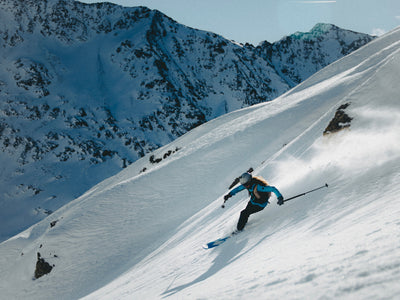
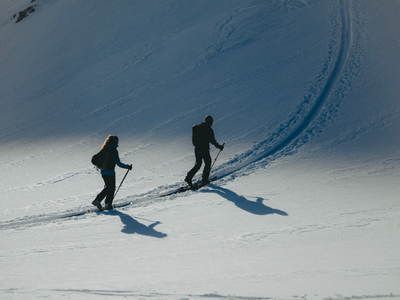
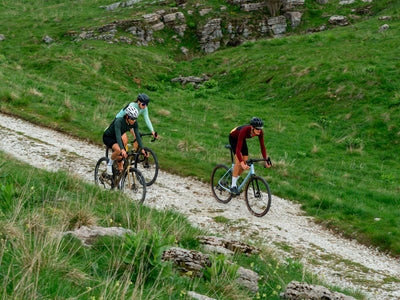
The Dolomites have always been part of our world. Not as a marketing image, but as the terrain where much of what we make is tested, worn and understood. When the time came to design a dedicated trail running collection, it seemed obvious that those mountains should be more than the backdrop. They should be the starting point.
Colour taken directly from the rock
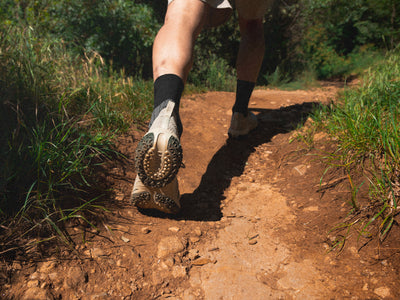
Anyone who has spent time in the Dolomites knows that the rock changes throughout the day. In full sunlight it takes on a warm, almost clay-like ochre. In shade it retreats into a cool, mineral grey. Along the scree and across the exposed faces, vegetation clings wherever it can find purchase, in shades of green that shift with altitude and season.
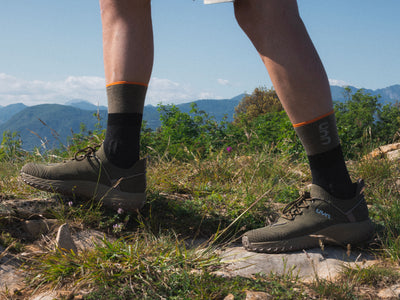
That is the palette. Baked Clay, Summer Sand, Granite Grey, Foam Green, Teak, Caviar. Each one comes from something specific in the landscape rather than from a trend forecast. Worn on the trail, the collection does not compete with its surroundings. It belongs to them.
"The starting point was not a technical brief. It was a landscape. Everything else followed from there."


Dolomya Trail Running T-Shirt
Regular price
€ 89,00
Regular price
€ 0,00
Sale price
€ 89,00
(Liquid error (snippets/price line 115): Computation results in '-Infinity'% OFF)
Unit price
per


Dolomya Trail Running Shorts
Regular price
€ 89,00
Regular price
€ 0,00
Sale price
€ 89,00
(Liquid error (snippets/price line 115): Computation results in '-Infinity'% OFF)
Unit price
per
Shapes that serve two purposes
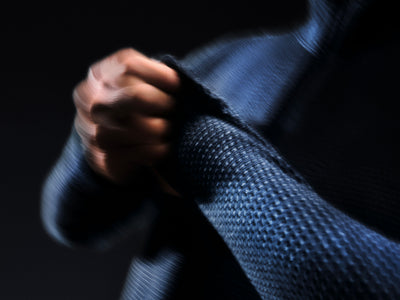
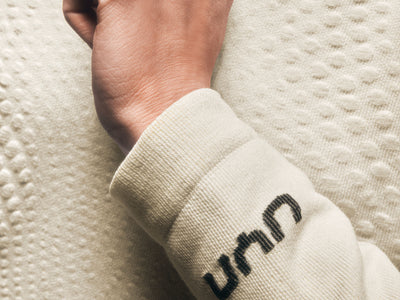
Look closely at any Dolomya garment and you will notice zones of different density and structure across the fabric. Open mesh in some areas, tighter knit in others, panels that break and reform across the body.
Every one of those zones exists for a functional reason. They are engineered on our circular knitting machines, which allow us to build an entire garment in a single piece, without seams, varying the structure of the fabric exactly where it is needed. Ventilation where the body runs hottest. Compression where it supports. Freedom where it moves. Cushioned areas across the shoulders to spread the load of a pack over long distances. Nothing is decorative by accident.
But the shapes those zones take were not arbitrary either. They follow the contours of Dolomitic stone, the way vegetation spreads across scree, the pattern of light and shadow moving over a rockface. Function drew the map. Nature drew the shapes.
Materials from the same place as the trails
Dolomya is built from natural fibres: Coolth_SL, Ariacel, Natex and Flexicorn. Together they deliver lightness, fast drying, softness against the skin and the elasticity that technical terrain demands. They dry faster than conventional nylon and regulate moisture without the chemical treatments that fade after a handful of wash cycles.
There is a logic to this that goes beyond performance. The materials speak the same language as the mountain trails because they come from the same place. In a collection built as a tribute to a landscape, it would be inconsistent to make it from anything else.


Dolomya Trail Running Short Cargo Tights
Regular price
€ 129,00
Regular price
€ 0,00
Sale price
€ 129,00
(Liquid error (snippets/price line 115): Computation results in '-Infinity'% OFF)
Unit price
per


Dolomya Trail Running T-Shirt
Regular price
€ 89,00
Regular price
€ 0,00
Sale price
€ 89,00
(Liquid error (snippets/price line 115): Computation results in '-Infinity'% OFF)
Unit price
per
Developed where it has always been developed
Every piece in Dolomya was designed, engineered and produced in-house at AREAS, our facility in Asola, where this company has been researching and manufacturing for over seventy years. The circular machines, the fibre development, the testing: all of it happens under one roof.
That is not a matter of convenience. It is what allows a collection to be conceived as a whole rather than assembled from parts, and it is what makes it possible to take an idea as abstract as a mountain and translate it into a garment that performs when the ground gets steep.
Dolomya is the result of a continuous dialogue between what we build and where it belongs.
Performance on the trails.


QUICK SHOP
Dolomya Trail Running Hooded Second Layer
woman - Mid Layers & Fleeces
Regular price
€ 139,00
Regular price
€ 0,00
Sale price
€ 139,00
(Liquid error (snippets/price line 115): Computation results in '-Infinity'% OFF)
Unit price
per
Size: from XS to XL


QUICK SHOP
Dolomya Trail Running Hooded Second Layer
man - Mid Layers & Fleeces
Regular price
€ 139,00
Regular price
€ 0,00
Sale price
€ 139,00
(Liquid error (snippets/price line 115): Computation results in '-Infinity'% OFF)
Unit price
per
Size: from S to XXL


QUICK SHOP
Dolomya Trail Running T-Shirt
man - Running T-Shirts
Regular price
€ 89,00
Regular price
€ 0,00
Sale price
€ 89,00
(Liquid error (snippets/price line 115): Computation results in '-Infinity'% OFF)
Unit price
per
Size: from S to XXL


QUICK SHOP
Dolomya Trail Running T-Shirt
woman - Running T-Shirts
Regular price
€ 89,00
Regular price
€ 0,00
Sale price
€ 89,00
(Liquid error (snippets/price line 115): Computation results in '-Infinity'% OFF)
Unit price
per
Size: from XS to XL


New in
QUICK SHOP
Dolomya Trail Running Cap
unisex - Headwear
Regular price
€ 59,00
Regular price
€ 0,00
Sale price
€ 59,00
(Liquid error (snippets/price line 115): Computation results in '-Infinity'% OFF)
Unit price
per
Size: UNI


New in
QUICK SHOP
Dolomya Trail Running Cap
unisex - Headwear
Regular price
€ 59,00
Regular price
€ 0,00
Sale price
€ 59,00
(Liquid error (snippets/price line 115): Computation results in '-Infinity'% OFF)
Unit price
per
Size: UNI


QUICK SHOP
Dolomya Trail Running T-Shirt
man - Running T-Shirts
Regular price
€ 89,00
Regular price
€ 0,00
Sale price
€ 89,00
(Liquid error (snippets/price line 115): Computation results in '-Infinity'% OFF)
Unit price
per
Size: from S to XXL