




Episode 4 of the series dedicated to our HQ explores the Seamless Production District
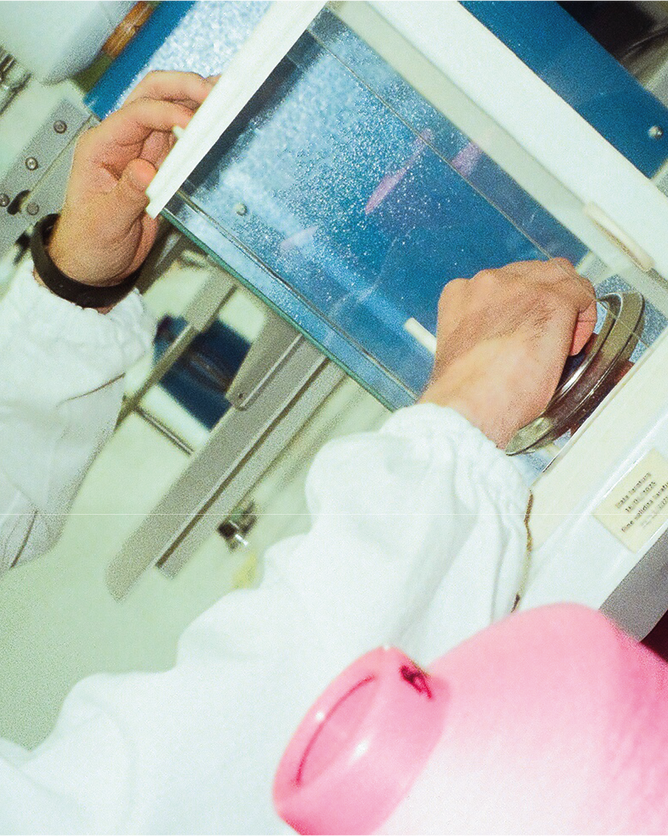
Behind every seamless garment there is a machine, and behind every machine there is someone who knows exactly what it is doing. In this episode we move onto the factory floor, where our production technicians and engineers work with the circular knitting machines that build an entire garment in a single piece.
The machine at the centre of the episode is a nineteen-inch cylinder, one of the largest we run, used for our bigger sizes. It works across eight feeds, and at each feed two or sometimes three yarns are brought together. Every yarn is guided by its own feeder, and each feeder is matched to a specific type of yarn: natural fibres call for one kind, elasticated yarns for another. The precision required at this stage determines everything that follows.
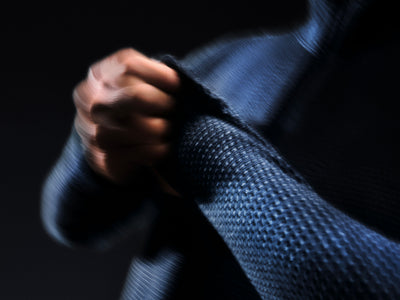
Knitting time varies from seven to fifteen minutes depending on the piece. Constructions such as Hypermotion, where the sleeve is knitted as part of the same continuous tube, take considerably longer. Each finished garment then leaves the cylinder, goes into the basket and is inspected by an operator, one piece at a time, before moving on to be dyed, sewn and made up.
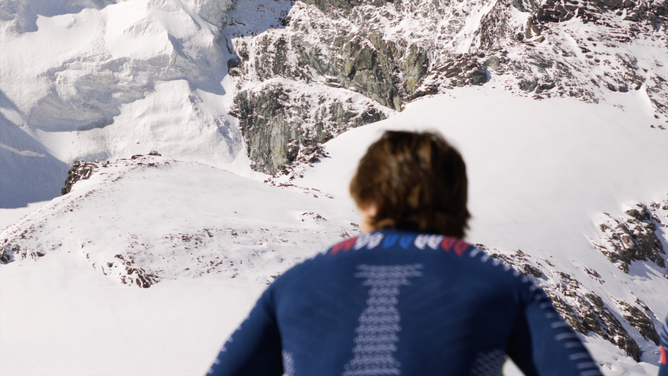
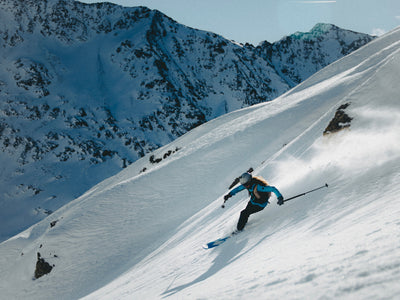
Some products take far longer to arrive at than others. Our Biomorph garments, the top of our range for winter skiing and worn by athletes on the national ski teams, required an exceptionally complex combination of yarns to achieve the result we were looking for, with several technologies working together in the same construction.
What our technicians describe is work that demands absolute precision, but that cannot be reduced to it. Choosing how to combine fibres for a particular discipline, and finding the best way to construct a given piece, calls for something closer to imagination than to procedure. It is a skill built over years rather than written into a specification.
And it is the reason a UYN garment feels different the first time you put it on. What the wearer notices immediately is the comfort of the natural materials against the skin. What they notice later, in the middle of the effort the garment was designed for, is the technology working with them. Both begin here, on the factory floor in Asola.
"Ours is precision work, but there is a very important component, which is imagination: finding the best way to make each item, and then combining it with the technologies that the sport it is made for requires."
Related articles


#Headquarters
Is it really possible to reduce your impact on the planet as a textile company?